Espresso is unforgiving in a very specific way. A shot can look beautiful — dark crema, steady stream, tidy tiger stripes — and still taste like lemon juice or burnt toast. The good news is that sour and bitter are not random. They are signals, and they point at a small set of causes you can test one at a time. Most of the trouble happens before the water ever reaches the puck: in the grinder, in the basket, in the distribution, and in the temperature you assumed was correct because the dial said so.
What follows is a diagnostic approach rather than a recipe. Numbers help, but your tongue decides. Set aside the idea that there is one perfect grind setting for a bag of coffee. There is a setting that works for your basket, your dose, your machine and the coffee's age — and it will shift as the beans rest.
Grind Errors: Too Coarse, Too Fine, and the In-Between Trap
Sour shots are almost always under-extracted, and the most common cause of under-extraction is a grind that is too coarse. Water rushes through, contact time drops, and the acids dissolve before the sugars and body have a chance to follow. You taste brightness without sweetness — thin, sharp, sometimes metallic.
Bitter shots lean the other way. A grind that is too fine slows the flow, keeps water in contact with the puck too long, and pulls out the drying, ashy compounds you would rather leave behind. The shot may drip rather than flow, and the puck often comes out sludgy and cratered.
The fix sounds simple and rarely is: change one grind step at a time, and taste after every adjustment. If your grinder has a stepless collar, move it in small increments — a millimetre or two of rotation, not a quarter turn. If it is stepped, expect to work within one or two clicks of the right zone and use dose to fine-tune from there.
Two grinder habits deserve special suspicion. First, stale grounds left in the chute or the dosing cup from yesterday's session will flatten the flavour and add a dull bitterness. Purge a few grams before you grind your dose. Second, a worn burr set produces an inconsistent particle spread — many fines and many boulders at once — which can make a shot taste sour and bitter simultaneously. If you have eliminated everything else and the shot still tastes muddy at both ends, the burrs are worth a look.
Dose and Basket Size: Consistency Before Creativity
A basket rated for 18 grams is happiest near 18 grams. Underfill it and the puck is too shallow; water finds the path of least resistance and channels. Overfill it and the puck presses against the shower screen, which restricts flow and scorches the top of the coffee. Either mistake produces a cup that tastes wrong in a way no grind adjustment can fully rescue.
Weigh every dose. A gram of drift between shots is enough to shift the flow rate noticeably, especially on a small basket. If you dose by eye or by timer, you are adjusting two variables at once — dose and grind — and diagnosing becomes guesswork.
- Shot tastes sour and thin: try a slightly finer grind first; if that chokes the flow, increase the dose by half a gram.
- Shot tastes bitter and drying: go coarser by a small step; if the flow becomes gushing and sour, reduce the dose slightly instead.
- Shot tastes both sour and bitter: suspect channelling rather than extraction level, and read the puck-prep section below.
- Shot starts fast, then stalls: classic sign of a cracked or uneven puck, not a grind problem.
Puck Prep: Where Good Grinds Go to Die
You can own a superb grinder and still pull inconsistent shots if the coffee lands in the basket in a heap. Channelling is the mechanism behind most "impossible" espresso — water punches through a weak spot, over-extracts that narrow column and under-extracts everything around it. The result is a shot that tastes sharp and harsh at the same time, with a pale, uneven crema.
Start with a dry, clean basket; a damp one encourages clumps to stick and fines to migrate. Grind into the basket rather than into a cup where possible, or use a dosing cup and transfer gently. Level the bed before tamping — a distribution tool or a few careful side taps, whichever you trust — then tamp straight down with enough pressure to seat the puck fully. Consistency of pressure matters more than force. Fifteen kilos pressed evenly beats twenty kilos pressed at an angle.
Look at the puck after the shot. A deep, off-centre hole means channelling. A puck that sticks hard to the screen or comes out wet and sloppy suggests too much headspace or too little coffee. Both are correctable.
Temperature: The Assumption That Costs You Sweetness
Brew temperature is the quiet culprit. Light roasts need more heat to extract properly; served too cool, they taste sour and hollow no matter how fine you grind. Darker roasts extract easily and turn bitter and ashy when the temperature runs high. If your machine has a PID, adjust it in small increments and give the group time to stabilise — a change on the display is not the same as a change at the puck.
Equally common is a machine that never reaches its set temperature because it was switched on two minutes before the shot. Give a domestic machine fifteen to twenty minutes to warm up, including the group head and portafilter. A cold portafilter alone can drop the brew temperature several degrees across the first shot of the day. Pull a blank shot to heat the group and the cup before you grind.
Reading the Shot: Time, Yield, and What the Numbers Mean
Time and yield are not goals; they are reference points. If a shot runs in twenty seconds and tastes sour, you have a coarse grind or a low dose, not a "fast shot" to be apologised for. If it runs for forty-five seconds and tastes bitter, the grind is too fine or the temperature too high.
A practical dialling workflow, repeated until the cup tastes balanced:
- Fix the dose by weight and keep it constant.
- Weigh the yield in the cup so you know your ratio.
- Taste, then decide: sour means extract more, bitter means extract less.
- Change one variable — grind first, temperature second, dose last.
- Discard the first shot after any change and taste the second, so the adjustment has settled.
Keep notes, even brief ones. Four words per shot — "sour, thin, 22s, 36g" — will teach you more about your setup in a week than any forum thread.
A Sensible Order of Operations
When a shot disappoints, resist the urge to change three things at once. Purge the grinder, weigh your dose, level and tamp deliberately, and warm the machine properly. Pull a shot, taste it, and give it a name: sour, bitter, or both. Sour goes finer, hotter, or slightly bigger; bitter goes coarser, cooler, or slightly smaller. Both point at channelling, so slow down and fix the puck.
Then stop adjusting and drink the coffee. A balanced espresso is not the one that hits a target time — it is the one where sweetness and acidity sit together and the finish leaves you wanting the next sip. Chase that taste, one variable at a time, and your shots will settle into something you can repeat tomorrow morning.
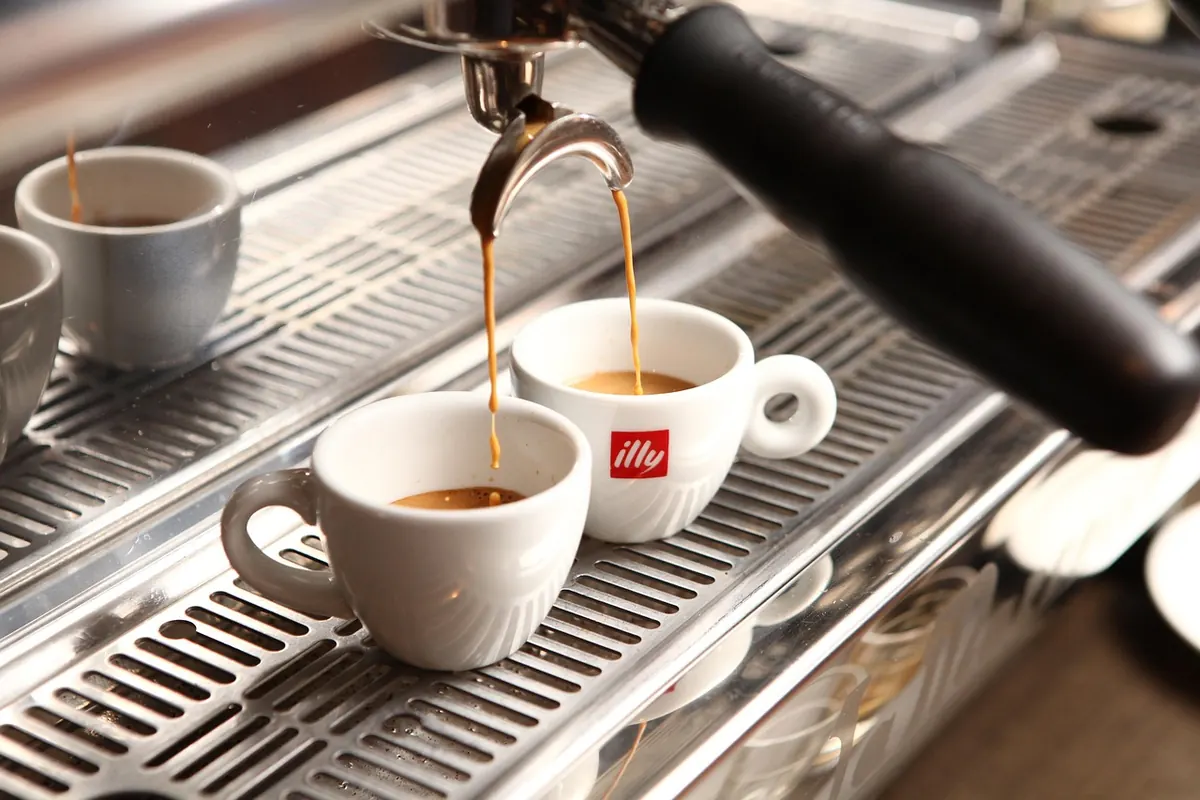
Photo: zooocoo / Pixabay